MLB Baseball cards · Most popular
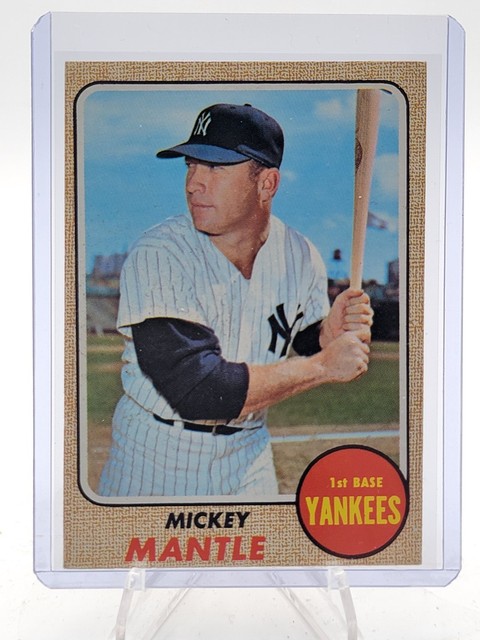
Mickey Mantle Rookie Card Value & Most Valuable Cards
As of October 29, 2026, the most popular Mickey Mantle card is the 1952 Topps (only listed at an unusually high asking price right now); the top-ranked one you can buy is the 1951 Bowman (#2), listed from $15,999 on eBay.
Updated

The ranking
- 1952 Topps
Base Card
Card #311The iconic 1952 Topps Mantle — the most valuable postwar baseball card and one of the true grails of the hobby. A pristine copy sold for $12.6 million in 2022.
seller asking $100,000 - 1951 Bowman
Base Card
Card #253His actual rookie card and first-ever issue. Less famous than the 1952 Topps but genuinely scarce in high grade and a grail for serious collectors.
from $15,999 - 1953 Topps
Base Card
Card #82A beloved early-1950s Topps issue with a striking painted portrait — one of the most collected vintage Mantle cards.
last sold $7,966 from $3,256


Fun fact
The 1952 Topps Mickey Mantle is often called the most important card in the hobby. In 2022 a pristine example sold for $12.6 million — at the time the most ever paid for any sports card.
- 1956 Topps
Base Card
Card #135From Mantle's Triple Crown season, this classic Topps card pairs a portrait with an action scene and is a vintage favorite.
last sold $152.50 - 1953 Bowman Color
Bowman Color
Card #59The 1953 Bowman Color set is prized for its borderless full-color photography, and the Mantle is one of its standout cards.
from $1,799.99

- 1957 Topps
Base Card
Card #95The 1957 Topps Mantle, from the first year Topps used real photography at the modern card size — a key vintage issue.
last sold $276.77 from $549.99Recent salesSee all 2 sales
Date Grade Sold for Oct 23 Raw $276.77 Oct 14 PSA 2 $778

Mickey Mantle's only rookie card is the 1951 Bowman #253, his first card from his first season with the Yankees, though his most valuable card is the famous 1952 Topps #311. This guide ranks both with his classic 1950s Topps and Bowman issues by grail status and collector demand, with prices that update daily.
Didn’t see the one you want? Browse 67 Mickey Mantle cards for sale, $1 to $1,199
Missing a card from this list?
Hot auctions
Auctions with bids for Mickey Mantle, as of Oct 29, 2026. Bids and prices change fast.


Looking for one of these? Join our card-hunting beta →
More MLB rookie cards
Frequently asked
What is Mickey Mantle's most valuable card?
His 1952 Topps (#311). It's the crown jewel of postwar collecting — a pristine copy sold for $12.6 million in 2022. It's technically not his rookie, but it's by far his most valuable and coveted card.
What is Mickey Mantle's rookie card?
His one true rookie card is the 1951 Bowman #253, his first-ever card. The more famous 1952 Topps #311 came a year later and is more valuable, but it is not a rookie card.
How much is a Mickey Mantle rookie card worth?
A 1951 Bowman #253 is a big purchase in any grade. A PSA 1 has sold for about $2,200, a PSA 2 for about $14,500, a PSA 5 for about $46,000, and a PSA 8 for about $573,000 in 2026. Check the live prices on each card above for today's market.
How much is the 1952 Topps Mantle worth?
It ranges enormously by condition. Low- and mid-grade copies still trade into the hundreds of thousands, while high-grade examples have sold from the high six figures into the millions. Condition is everything with this card.
What's the most affordable Mantle card to start with?
His later-1950s and 1960s Topps base cards, and well-loved lower-grade copies of the classics, are the accessible way in. Condition drives price, so a lower-grade vintage Mantle can be a realistic entry point.
Which Mantle card is best to get graded?
For vintage, grading is about condition and authenticity — the 1952 Topps and 1951 Bowman reward professional grading most because a verified grade hugely affects value. Always compare recent graded sales at the same grade before buying.
Are Mickey Mantle cards a good investment?
Sports cards are collectibles, not guaranteed investments — values move with hobby demand and can fall as fast as they rise. This page is for research and enjoyment, not financial advice; buy what you love and do your own homework.
What's a fun fact about Mickey Mantle?
The 1952 Topps Mickey Mantle is often called the most important card in the hobby. In 2022 a pristine example sold for $12.6 million — at the time the most ever paid for any sports card.
What's the most expensive Mickey Mantle card for sale?
As of October 29, 2026, the most expensive Mickey Mantle card on our list that's for sale is the 1951 Bowman (#2), listed from $15,999 on eBay. If you'd rather buy one, the best Mickey Mantle card under $500 is the 1956 Topps (#4), last sold for $152.50. Prices update daily.
What's the best Mickey Mantle card under $500?
As of October 29, 2026, it's the 1956 Topps — #4 on our list of the 6 most popular Mickey Mantle cards — last sold for $152.50. Prices update daily.
Where this comes from
How we rank these cards
We rank by popularity — how coveted a card is — not by price alone. A card rises on its iconic standing (flagship rookies, on-card autographs, and marquee inserts), its scarcity (low serial numbers and true one-of-ones), and collector demand, with market value as a strong signal. The most expensive card isn't always the most popular.
Every list is checked against several sources before it goes live. The facts — how rare a card is, what it sells for, which versions exist — come only from card checklists, price trackers, and real sold listings.
What the community is chasing shapes how we order the list, but it never counts as a fact on its own. It tells us about demand, not whether a card truly belongs at the top.
We only call a card's rarity confirmed when the maker officially publishes the number. Otherwise we label it an estimate — and we never make a number up.
Each card photo comes from the eBay listing its button points to, so you're always seeing a real card that's actually for sale — credited to that listing, never taken from the card maker.
Was this list helpful?